
Peter Thiel (Facebook) (2014)
Monopolies can achieve sustainable success through innovation, proprietary technology, and network effects, while perfect competition often leads to hyper-competitiveness and low profitability.
Monopolies can achieve sustainable success through innovation, proprietary technology, and network effects, while perfect competition often leads to hyper-competitiveness and low profitability.
Ethereum’s vision extends beyond DeFi to encompass diverse applications like social media, public goods funding, and decentralized identity. Vitalik Buterin proposes shifting from finance-centric applications to a more utility-driven approach, addressing issues such as privacy, governance, and the alignment of technology with societal needs.
Machine learning is revolutionizing society and technology by addressing grand challenges and enabling transformative applications in healthcare, urban infrastructure, computer systems, and scientific discovery. Through open-source tools like TensorFlow, neural architecture search, and specialized hardware like TPUs, machine learning is becoming more accessible and driving significant advancements in various fields.
NVIDIA’s CES 2013 vision involved advancing technology, reshaping gaming and computing, and enabling more accessible and versatile technology and gaming experiences. NVIDIA’s Tegra 4 processor brings HDR capabilities and computational photography to mobile devices, while their cloud gaming technology allows for affordable streaming services and diverse service deployment.

Stanley Druckenmiller warns of risks associated with the Fed’s policies, emphasizing the possibility of a sudden unwinding of the current economic bubble and poor market returns. He advocates for measured deflation of the bubble, a data-driven approach to monetary policy, and cautious investment strategies in a volatile market.
Stan Druckenmiller (Duquesne Capital Management) (Dec 2018) Read More »
Peter Thiel believes that monopolies are the ultimate goal of capitalism and that competition stifles innovation. Contrarily, he suggests targeting small niches, uncovering hidden opportunities, and embracing unconventional approaches to education and business.

The evolution of computing and AI has shifted from manual labor to knowledge-based tasks, and automation brings opportunities and challenges, such as streamlining processes and causing unemployment.

Automation and demographic shifts are reshaping the labor market, with automation impacting job demand and demographics influencing labor supply. The interaction between these forces has profound social and economic implications, requiring policymakers and individuals to adapt to the evolving landscape of work.
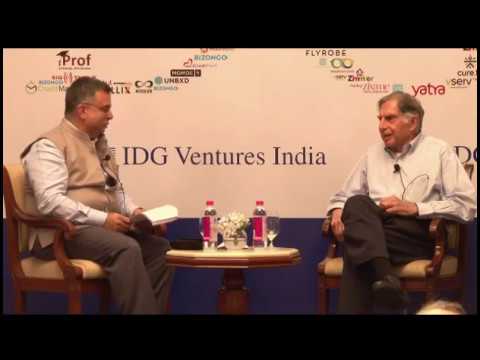
Ratan Tata’s principle-driven decision-making transformed the global automotive industry, exemplified by the Jaguar Land Rover acquisition and the social responsibility of the Nano project. He emphasizes employee motivation and pride, and sees India’s potential in consumer internet, medical research, and AI.

Kenneth Chenault emphasizes the need for long-term actions to address racial issues and stresses the significance of diversity and inclusivity in business. He also highlights the potential of technology to revolutionize workforce education through platforms like the Guild.