all

Hal Varian (Google) (Mar 2017)

Causal inference is challenging due to confounding variables and the need to distinguish correlation from causation, but methods like randomized experiments, natural experiments, instrumental variables, regression discontinuity design, and difference-in-differences can help establish causal relationships. Machine learning can enhance causal analysis but requires careful consideration of selection bias and other challenges.

Hal Varian (Google) (Mar 2017) Read More »

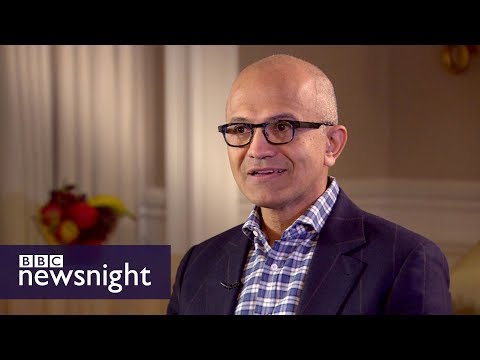
Satya Nadella (Microsoft) (Sep 2017)

Empathy-driven innovation and a commitment to corporate responsibility have transformed Microsoft under Satya Nadella’s leadership, shaping a future where technology serves humanity. Through his emphasis on understanding customer needs and advocating for responsible technology, Nadella has positioned Microsoft as a leader in shaping a future where technology empowers humanity and contributes positively to society.

Satya Nadella (Microsoft) (Sep 2017) Read More »

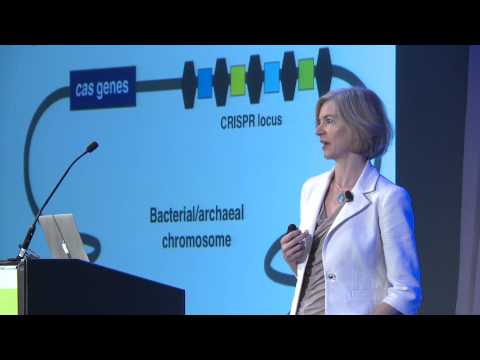
Jennifer Doudna (UC Berkeley) (Apr 2018)

CRISPR-Cas9 is a revolutionary technology that enables precise genome editing, with applications in research, agriculture, and medicine, but its potential for germline editing raises ethical concerns. CRISPR-Cas9 has transformed research and applications, with over 8,400 PubMed entries by February 2018, and ongoing research and debate focus on its responsible use and ethical implications.

Jennifer Doudna (UC Berkeley) (Apr 2018) Read More »