all

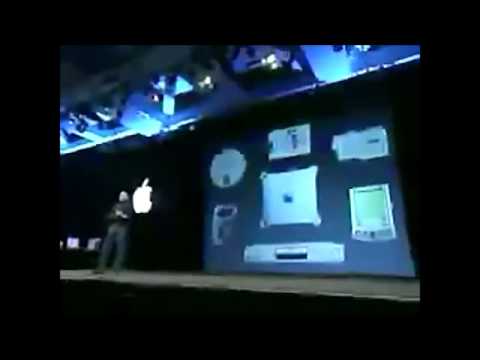
Steve Jobs (Apple) (Jan 9, 2001)

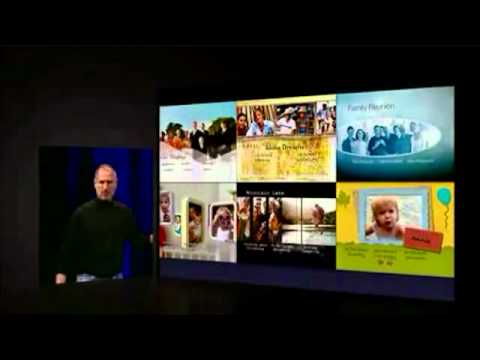
Apple Inc. unveiled multiple advancements in a recent event, including the beta release of Mac OS X, new developer frameworks, next-generation Power Mac G4s, iTunes, and iDVD, signifying a strategic focus on computing and digital lifestyle. The company also outlined its vision for the future of PCs, aiming to be at the forefront of the anticipated “third golden age” centered on digital lifestyle, supported by an integrated ecosystem and robust user engagement.

Steve Jobs (Apple) (Jan 9, 2001) Read More »

Steve Jobs (Apple) (Jan 11, 2005)

The article discusses the evolution of Apple’s Mac OS X, highlighting the success of Panther and previewing upcoming features in Tiger. Spotlight technology in Tiger promises real-time, deep searches across file types, while other features like Dashboard and high-definition video focus aim to enhance user experience; meanwhile, Apple continues to broaden its market reach through affordability initiatives like Mac Mini and dominates the music market via iTunes.

Steve Jobs (Apple) (Jan 11, 2005) Read More »

Steve Jobs (Apple) (2005)

The text provides an overview of Steve Jobs’ strategic decisions, focusing on Apple’s transition from IBM to Intel processors as a long-term move aligned with Apple’s future vision. It also touches upon Jobs’ secretive nature, the significance of the developer community in Apple’s strategy, and the company’s budding relationship with Disney through Pixar.

Steve Jobs (Apple) (2005) Read More »

Steve Jobs (Apple) (2007)

Under the leadership of then-CEO Steve Jobs, Apple Inc. entered the smartphone market with the launch of the iPhone, aiming to revolutionize the industry while also navigating an ongoing stock options backdating scandal. The iPhone is seen not just as a product but as a disruptive force designed to redefine consumer expectations and drive significant financial growth for Apple.

Steve Jobs (Apple) (2007) Read More »

Steve Jobs (Apple) (Aug 1998)

In the late ’90s, Steve Jobs formulated a comprehensive strategy to revive Apple, centering it around the launch of the iMac, which he positioned as a groundbreaking, high-performance, and user-friendly device designed to re-establish Apple as a market leader. Through aggressive marketing, targeted demographic appeal, and thorough supply preparation, Jobs aimed not just to introduce a new product but to reclaim Apple’s dominant position in the consumer technology market.

Steve Jobs (Apple) (Aug 1998) Read More »

Steve Jobs (Apple) (2003)

Steve Jobs introduced third-generation iPods with upgraded features like voice recording and photo storage, alongside significant updates to the iTunes platform, which included diversification through audiobooks and user engagement features. The new offerings further solidified Apple’s market dominance, with iPod holding 31% unit market share and iTunes owning a 70% share in legal music downloads.

Steve Jobs (Apple) (2003) Read More »

Steve Jobs (Apple) (1998)

Under Steve Jobs’s leadership, Apple Inc. successfully emerged from a period of uncertainty to become a stable and profitable tech giant with key accomplishments including reduced attrition rates, strategic focus on customer needs, and a strengthened product line. The company also demonstrated financial growth, technological advancements, and improved market presence through partnerships and increased online engagement.

Steve Jobs (Apple) (1998) Read More »

Steve Jobs (Apple) (2002)

The article explores Steve Jobs’ unique approach to design and leadership, emphasizing his focus on functionality, multidisciplinary collaboration, and a relentless pursuit of quality over mere adequacy. Jobs’ philosophy challenges conventional ideas by prioritizing execution over intent, advocating an inclusive work environment, and fostering a willingness to abandon good for great, thereby leaving a lasting impact on various industries.

Steve Jobs (Apple) (2002) Read More »

Steve Jobs (Apple) (1998)

In the period leading up to the 1998 iMac launch, Steve Jobs implemented a multi-pronged strategy to revive Apple, focusing on market demand, branding, technological shifts, and ecosystem development. Jobs exhibited a strong personal commitment and sense of urgency in turning the company’s fortunes around, emphasizing immediate product launch priorities over long-term leadership questions.

Steve Jobs (Apple) (1998) Read More »