all

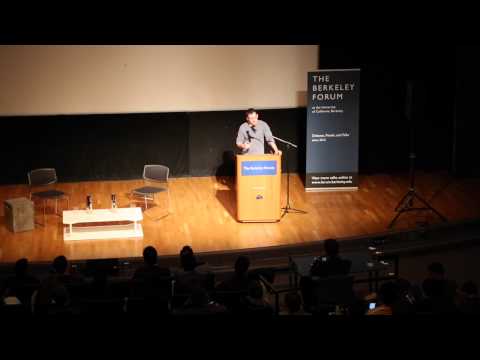
Peter Thiel (Facebook) (Dec 2014)

Peter Thiel’s philosophy emphasizes monopolistic strategies, value capture, and contrarian thinking for transformative business success, challenging conventional wisdom and societal norms. Thiel argues that monopolies are essential for substantial impact and success, and entrepreneurs should aim for differentiation and value creation rather than engaging in futile competition.

Peter Thiel (Facebook) (Dec 2014) Read More »

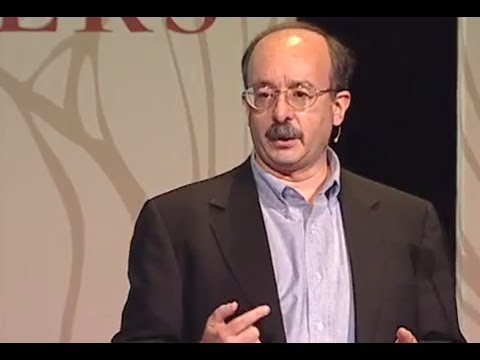
Amory Lovins (Rocky Mountain Institute) (Dec 2013)

Combining oil and electricity revolutions, efficient buildings and factories, and direct use of efficiently burned fuels can reinvent fire, transitioning away from fossil fuels and unlocking a new era of clean, sustainable energy. Reinventing fire can lead to significant savings, reduced risks, and a substantial reduction in fossil carbon emissions, offering a cost-effective and environmentally conscious solution to the energy problem.

Amory Lovins (Rocky Mountain Institute) (Dec 2013) Read More »

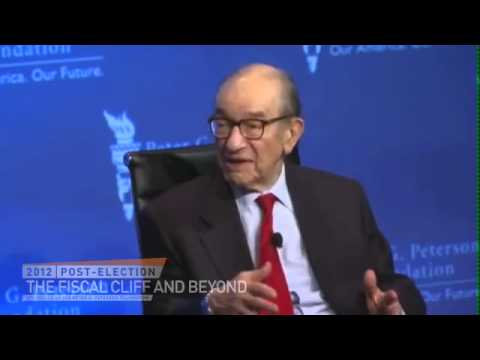
Paul Volcker (USA) (Aug 2013)

America’s fiscal imbalance poses a risk of a market crisis, necessitating a credible plan for long-term fiscal sustainability, learning from Europe’s experiences. The path forward involves balancing tough choices, spending cuts, tax reforms, and entitlement program redesigns, avoiding the further postponement of addressing these issues.

Paul Volcker (USA) (Aug 2013) Read More »

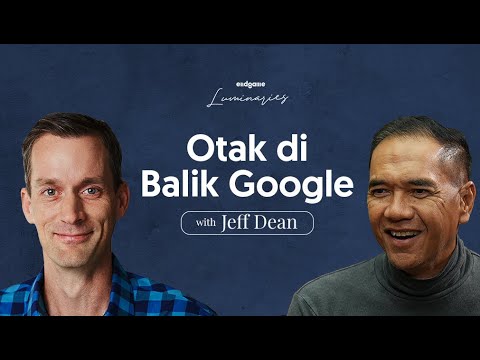
Jeff Dean (Google) (Dec 2023)

Jeff Dean, a key figure in Google’s AI advancements, revolutionized neural networks with Tensor Processing Units, and his work has broad implications for fields like education, sustainability, and healthcare. AI’s rapid growth poses challenges in mitigating biases and integrating it responsibly, necessitating informed policymaking and collaboration between technologists and policymakers.

Jeff Dean (Google) (Dec 2023) Read More »