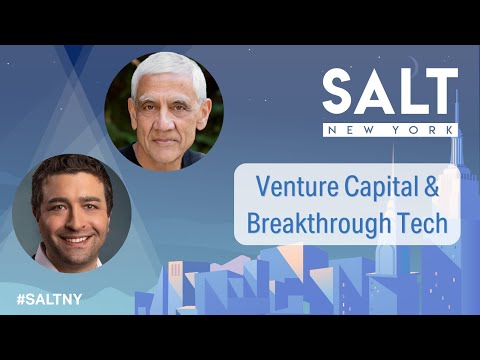
Vinod Khosla (Khosla Ventures) (Sep 2022)
Despite reduced startup hype and plummeting tech valuations, Silicon Valley is experiencing a rise in differentiated startups, enhanced talent availability, and investment opportunities in Cleantech 2.0.
Despite reduced startup hype and plummeting tech valuations, Silicon Valley is experiencing a rise in differentiated startups, enhanced talent availability, and investment opportunities in Cleantech 2.0.
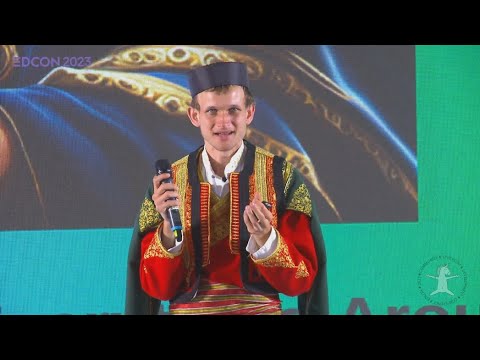
Ethereum’s journey has evolved from theoretical foundations to practical applications, with a focus on bridging the gap between theory and practice through technological advancements. The platform aims to empower individuals with control over their assets and data, contributing to a more inclusive and equitable financial system.
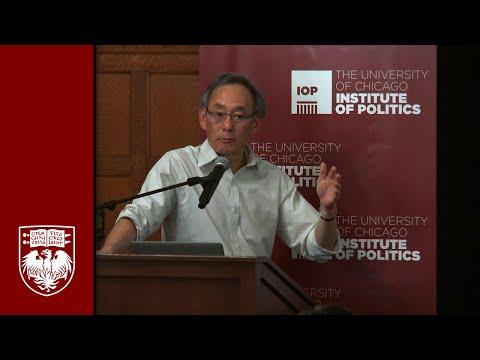
Nobel Laureate Stephen Chu’s career in energy and climate science has emphasized responsible environmental stewardship, renewable energy, and energy efficiency to combat climate change. Chu’s work on energy innovation, policy advocacy, and public health guidance provides valuable direction for future endeavors in sustainability.
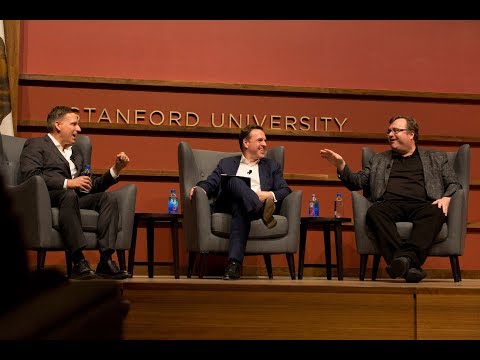
Stanford’s Cardinal Conversations initiative aims to bridge the gap between Silicon Valley and diverse perspectives on technology, politics, and society through open dialogue and inclusivity. Experts expressed concerns about the interconnectedness of tech and politics, income inequality, and the need for cognitive diversity to address societal challenges.
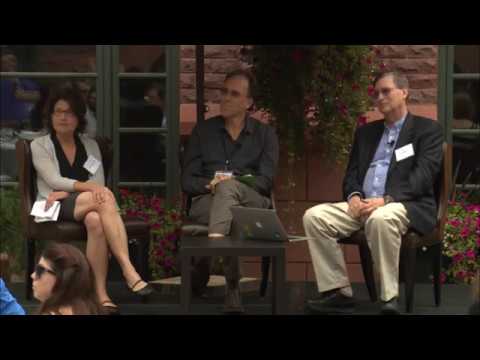
The enduring relevance of Shapiro and Varian’s “Information Rules” lies in its grounding in economic principles and avoidance of speculative predictions, while contemporary works highlight emerging trends and challenges in the digital economy. The dynamic nature of the information economy demands continuous analysis and adaptation to capture its evolving complexities.
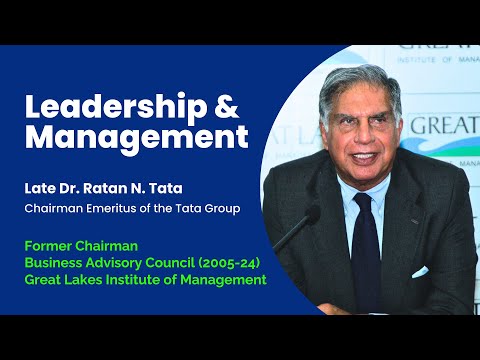
Ratan Tata’s leadership at Tata Sons balanced innovation with legacy, emphasizing social responsibility and resilience in facing challenges. Tata envisioned India as a nation prioritizing dignity, education, and sustainability, where merit determines success.
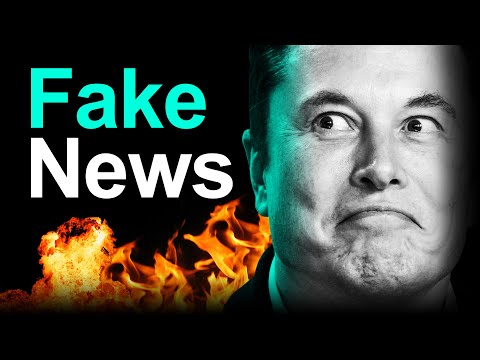
Twitter 2.0, led by Elon Musk, aims to be a truthful platform for democratic discourse and challenges traditional media with its real-time nature and emphasis on accuracy. Musk envisions Twitter as a hub of human attention with untapped monetization potential and broader ambitions in finance, sustainable energy, and space exploration.
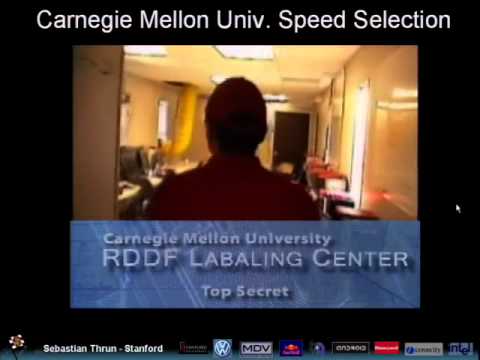
The DARPA Grand Challenge revolutionized autonomous vehicles, showcasing groundbreaking technology like Stanley, which navigated a desert course autonomously, marking a new era in transportation. Adaptive vision and obstacles detection systems enabled Stanley to conquer diverse terrains, paving the way for future advancements in self-driving technology.
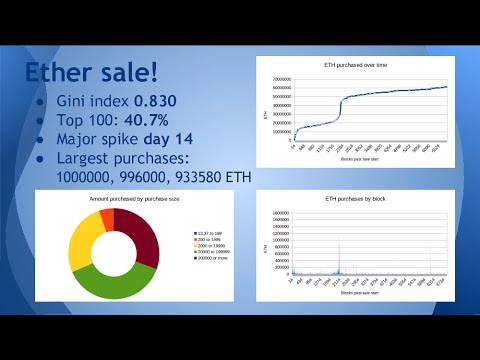
Ethereum has experienced significant progress in protocol development, organizational structure, and the transition towards Proof of Stake, while facing challenges in implementation and governance. The Ethereum Foundation emphasizes community involvement and decentralized governance in shaping the platform’s future.
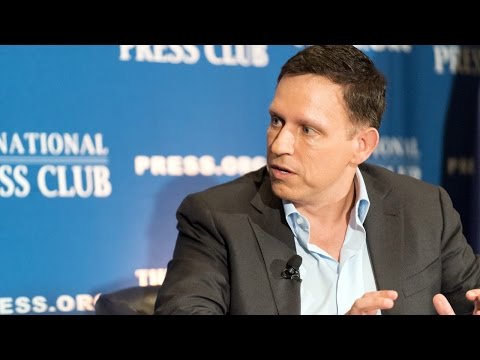
Self-described libertarian Peter Thiel supports Donald Trump, criticizes Silicon Valley, and advocates for government efficiency and individual freedom. Thiel sees the rise of libertarianism as linked to the decline of governmental institutions.